

Hey there! I'm a supplier of FDM 3D printed ASA car doors. You might be wondering, "What's the chemical resistance of these doors?" Well, let's dive right in and find out.
First off, let's talk about what ASA is. ASA stands for Acrylonitrile Styrene Acrylate. It's a thermoplastic that's known for its great outdoor durability, UV resistance, and impact strength. These properties make it a top - choice material for 3D printing car parts, especially car doors.
When it comes to chemical resistance, ASA has some pretty impressive characteristics. It can withstand a variety of common chemicals that a car door might come across in its daily use. For example, it has good resistance to water. Water is everywhere, from rain to car washes. ASA doesn't absorb water easily, which means it won't swell or lose its structural integrity when it gets wet. This is crucial because if a car door absorbs water, it can lead to rusting of any metal components inside, and the door might start to look and function poorly over time.
Another important aspect is its resistance to mild solvents. Things like windshield washer fluid or some cleaning agents are mild solvents. ASA can handle exposure to these substances without significant damage. You can clean your car door with a regular car - cleaning solution, and the ASA material will remain intact. It won't dissolve or become brittle, which ensures that the door keeps its strength and appearance.
However, it's not invincible. ASA has its limits when it comes to more aggressive chemicals. Strong solvents like acetone can cause problems. Acetone is a powerful solvent that's used in many industrial and household applications. If an ASA car door comes into contact with acetone, it can start to soften and deform. The surface might become sticky, and the overall structure of the door can be compromised. So, it's important to keep your ASA car doors away from such harsh chemicals.
Now, let's talk about how the FDM 3D printing process affects the chemical resistance of ASA car doors. FDM, or Fused Deposition Modeling, is a popular 3D printing technology. In this process, a filament of ASA material is heated and extruded layer by layer to build the car door. The way the layers are bonded together can impact the chemical resistance.
If the layers are well - bonded during the printing process, the door will have better chemical resistance. A strong bond between the layers means that there are fewer gaps or weak points where chemicals can seep in. On the other hand, if the printing parameters are not set correctly, and the layers don't bond properly, chemicals can penetrate more easily, reducing the overall chemical resistance of the door.
As a supplier, we pay close attention to these details. We use high - quality ASA filaments and carefully calibrate our 3D printers to ensure that the layers are well - bonded. This way, we can guarantee that our FDM 3D printed ASA car doors have the best possible chemical resistance.
Comparing ASA with other materials commonly used in car doors, it has an edge in terms of chemical resistance. For example, some traditional materials like certain types of plastics or metals might not have the same level of resistance to water and mild solvents. Metals can rust when exposed to water, and some plastics might degrade more quickly when in contact with cleaning agents.
Now, let's take a look at some real - world scenarios. Imagine you're driving in a coastal area. The air near the coast has a higher salt content. Saltwater can be quite corrosive to many materials. But our ASA car doors can handle it. The chemical resistance of ASA helps it resist the corrosive effects of saltwater, so your car door will stay in good condition even in a harsh coastal environment.
Another scenario is if you accidentally spill some gasoline on your car door. Gasoline is a hydrocarbon - based solvent. ASA has a certain level of resistance to gasoline, which means that a small spill won't cause immediate and severe damage to the door. Of course, it's still a good idea to clean it up as soon as possible, but the door won't be ruined right away.

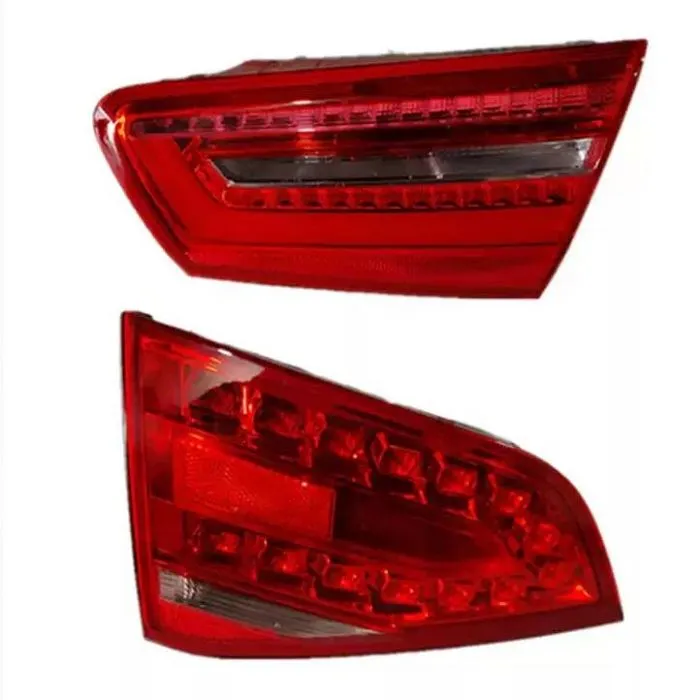
If you're interested in other 3D - printed car parts, check out our 3D Printing Car Tail Lights. We also have some cool info on the PLA 3D Printing Process for Vase and The Fusion Of 3D Printing And Drones.
In conclusion, the chemical resistance of our FDM 3D printed ASA car doors is quite good for most common situations. They can withstand water, mild solvents, and even some harsh environmental conditions. But it's important to avoid contact with strong solvents to keep the doors in top - notch condition.
If you're in the market for high - quality, chemically resistant car doors, we'd love to have a chat with you. Whether you're an individual car enthusiast or a car manufacturer looking for reliable parts, we can provide you with the best FDM 3D printed ASA car doors. Reach out to us to start the procurement process and discuss your specific needs.
References
- "Plastics for Automotive Applications" - A technical guide on plastics used in the automotive industry.
- "3D Printing Materials and Their Properties" - A research paper on the characteristics of different 3D printing materials.