

Additive manufacturing, often referred to as 3D printing, has transformed numerous industries through its ability to create complex geometries with high precision. When it comes to metal additive manufacturing, the technology offers even more significant potential due to the unique properties of metals such as strength, durability, and heat resistance. As a leading Metal Additive supplier, I am excited to delve into the various applications of metal additive manufacturing in architecture, a field that is increasingly embracing the benefits of this innovative technology.
Customized Facades and Façade Elements
One of the most prominent applications of metal additive manufacturing in architecture is the creation of customized facades. Traditional manufacturing methods often struggle to produce highly intricate and unique facade designs due to the constraints of molds and tooling. Metal additive manufacturing, on the other hand, allows architects and designers to realize their most creative concepts without these limitations.
For example, metal 3D printing can be used to create facades with complex lattice structures that offer both aesthetic appeal and functional benefits. These lattice structures can be designed to provide shade, reduce solar heat gain, and enhance the building's overall energy efficiency. Additionally, the ability to customize each panel of the facade means that architects can create a truly unique and signature look for their buildings.
Structural Components
Structural components in architecture require materials that are both strong and lightweight. Metal additive manufacturing enables the production of structural components with optimized geometries that offer improved strength-to-weight ratios compared to traditional manufacturing methods.
Take, for instance, the use of titanium in additive manufacturing. Titanium is known for its high strength, corrosion resistance, and low density, making it an ideal material for structural applications. With metal 3D printing, architects can create complex titanium structures that would be impossible or extremely difficult to manufacture using conventional techniques.
Another example is the rapid prototyping of aluminum brackets. Aluminum is a lightweight and cost-effective material that is commonly used in architecture. Through Rapid Prototyping Of Aluminum Brackets, architects can quickly test and iterate on design concepts before committing to mass production. This not only saves time and money but also allows for the development of more efficient and innovative structural solutions.
Interior Design Elements
Metal additive manufacturing also offers exciting possibilities for interior design in architecture. From decorative panels and sculptures to functional fixtures and furniture, the technology allows for the creation of highly detailed and unique interior elements.
For example, metal 3D printing can be used to produce custom-made lighting fixtures with intricate designs that would be difficult to achieve using traditional manufacturing methods. These fixtures can add a touch of elegance and creativity to any interior space.
In addition, metal additive manufacturing can be used to create furniture pieces with complex geometries and lightweight structures. This not only enhances the aesthetic appeal of the furniture but also improves its functionality. For instance, a 3D printed metal chair can be designed with a lattice structure that provides both comfort and strength while using less material.
Restoration and Preservation
Metal additive manufacturing plays a crucial role in the restoration and preservation of historical buildings. When restoring a historical building, it is often necessary to replace damaged or missing metal components. However, replicating these components using traditional manufacturing methods can be challenging, especially if they have complex geometries or are made from rare materials.
Metal 3D printing offers a solution to this problem by allowing architects and conservators to create accurate replicas of historical metal components. Using high-resolution scans of the original components, 3D models can be created and then printed using the appropriate metal materials. This ensures that the restored building retains its historical integrity while also benefiting from the durability and strength of modern metal alloys.
Sustainability in Architecture
Sustainability is a growing concern in the field of architecture, and metal additive manufacturing can contribute to more sustainable building practices. One of the key advantages of metal 3D printing is its ability to reduce material waste. Unlike traditional manufacturing methods, which often involve subtractive processes that generate a significant amount of waste, metal additive manufacturing builds parts layer by layer, using only the necessary amount of material.
In addition, metal additive manufacturing allows for the use of recycled metal powders, further reducing the environmental impact of the manufacturing process. By using recycled materials, architects can contribute to a more circular economy and reduce the demand for virgin metals.
Case Studies
To illustrate the practical applications of metal additive manufacturing in architecture, let's look at some real-world case studies.
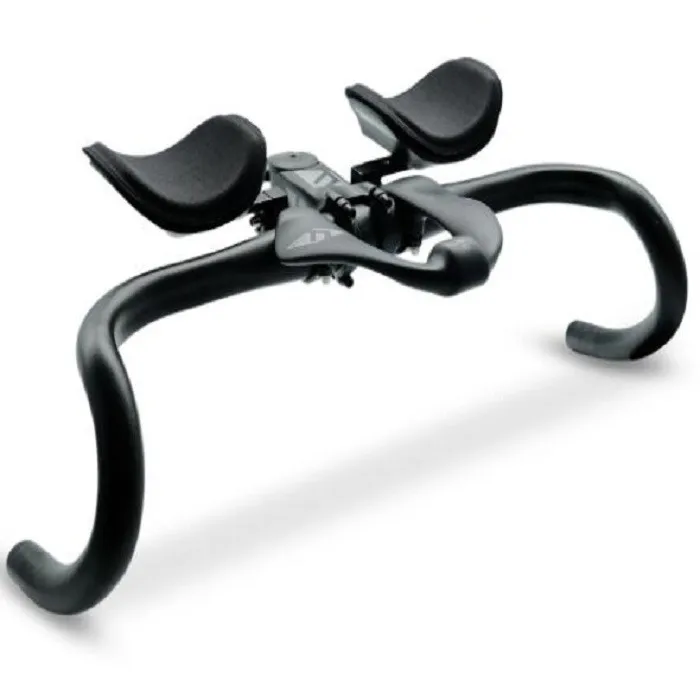
3D Printing Titanium Bike Handlebars
While this case study focuses on bike handlebars, it demonstrates the potential of metal 3D printing in creating complex and lightweight structures. In architecture, the same principles can be applied to the design and manufacture of structural components, such as beams and columns. By using titanium and metal 3D printing, architects can create structures that are both strong and lightweight, reducing the overall weight of the building and potentially saving on construction costs.

Metal 3D Printing Optimizes Fluid Manifolds
Fluid manifolds are essential components in many architectural systems, such as plumbing and HVAC. Metal 3D printing allows for the optimization of fluid manifolds by creating complex internal geometries that improve fluid flow and reduce pressure drop. This not only enhances the efficiency of the building systems but also reduces energy consumption.
Future Outlook
The future of metal additive manufacturing in architecture looks promising. As the technology continues to evolve, we can expect to see even more innovative applications and solutions. For example, the development of new metal alloys specifically designed for additive manufacturing will open up new possibilities for architectural design. These alloys may offer improved properties such as increased strength, better corrosion resistance, or enhanced heat transfer capabilities.
In addition, the integration of metal additive manufacturing with other emerging technologies, such as artificial intelligence and robotics, will further enhance the efficiency and capabilities of the manufacturing process. Architects and designers will be able to use AI algorithms to optimize the design of metal components for additive manufacturing, while robots can be used to perform the actual printing process with greater precision and speed.
Conclusion
As a Metal Additive supplier, I am passionate about the potential of metal additive manufacturing in architecture. The technology offers a wide range of applications, from customized facades and structural components to interior design elements and restoration projects. With its ability to create complex geometries, reduce material waste, and contribute to more sustainable building practices, metal additive manufacturing is poised to revolutionize the field of architecture.
If you are an architect, designer, or builder interested in exploring the possibilities of metal additive manufacturing for your next project, I encourage you to get in touch with us. We have the expertise and resources to help you bring your ideas to life and achieve your design goals. Contact us today to start a conversation about how metal additive manufacturing can transform your next architectural project.
References
- Gibson, I., Rosen, D. W., & Stucker, B. (2010). Additive manufacturing technologies: rapid prototyping to direct digital manufacturing. Springer Science & Business Media.
- Wohlers, T. (2019). Wohlers Report 2019: 3D Printing and Additive Manufacturing State of the Industry. Wohlers Associates.
- Zhong, R. Y., Ren, Y., & Lin, J. (Eds.). (2018). Handbook of manufacturing engineering and technology. Springer.